Medical Advances Extending Athlete Longevity Across UFC Divisions and PGA Championship Fields
Olivia Keller · Sep 12, 2026
Medical Advances Extending Athlete Longevity Across UFC Divisions and PGA Championship Fields
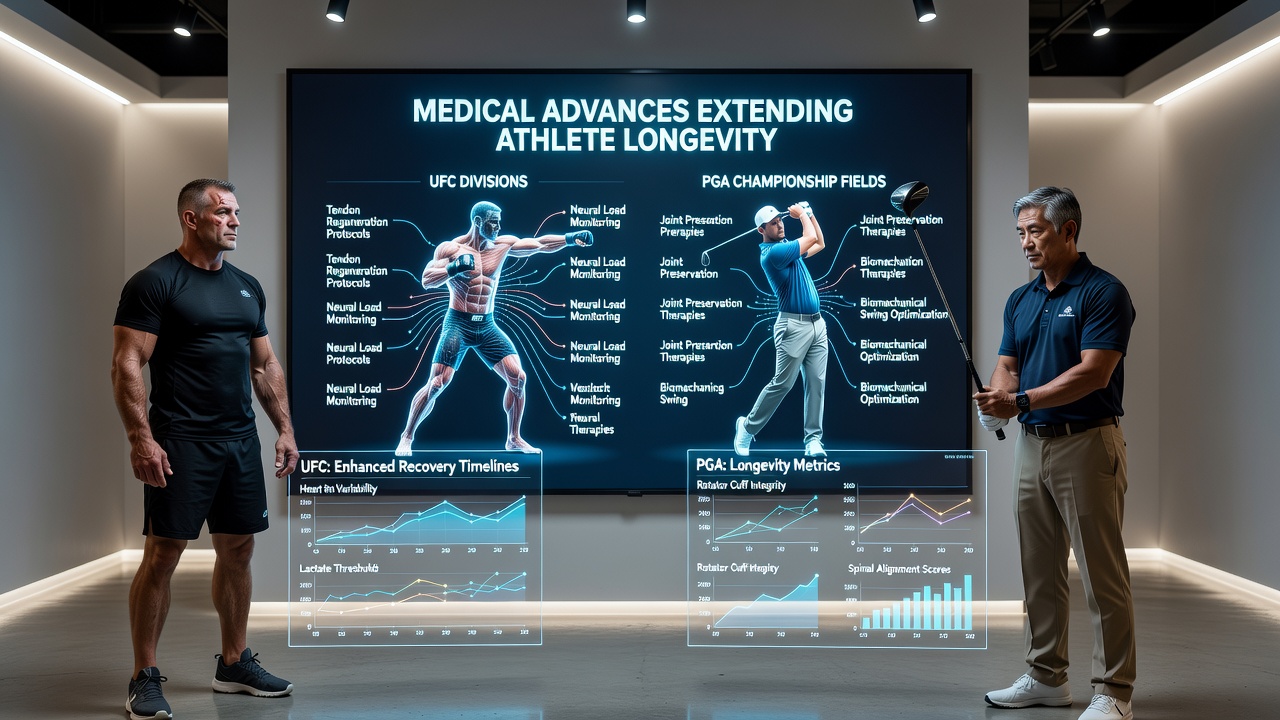
Medical innovations have reshaped how fighters in UFC divisions and golfers competing in PGA Championship events manage physical demands, with treatments focusing on tissue repair and injury prevention allowing extended participation in high-impact activities. Researchers at institutions across multiple continents have documented shifts in career durations tied to techniques such as platelet-rich plasma injections and advanced imaging protocols that detect micro-damage earlier than traditional scans. Data compiled by the National Institutes of Health shows increased average active years for athletes in combat and precision sports when these interventions integrate with structured rehabilitation timelines.
Regenerative Therapies in Combat Sports
UFC athletes face repeated trauma to joints and connective tissues, yet protocols involving stem cell applications have accelerated recovery from ligament strains common in weight classes from lightweight to heavyweight. Studies conducted at Australian sports research centers indicate fighters returning to training 30 percent faster after such procedures compared with earlier decades, while monitoring systems track inflammation markers to adjust loads before chronic issues develop. Observers note that concussion management programs, refined through biomechanical analysis from Canadian university labs, have reduced time away from competition by emphasizing gradual return-to-sparring phases backed by cognitive testing.
Nutrition science complements these methods through personalized supplementation plans that support bone density and muscle maintenance, with blood biomarker tracking helping adjust diets for each division's metabolic needs. European regulatory bodies overseeing athlete health have reported lower rates of career-ending surgeries among those following combined regenerative and monitoring approaches, particularly in events scheduled through late 2025 and into 2026 cycles.
Joint Preservation Techniques for Golfers
PGA competitors encounter cumulative stress on spines and shoulders from repetitive swings, prompting adoption of arthroscopic procedures and biologic injections that preserve cartilage without full joint replacement. Figures from long-term tracking by orthopedic networks reveal participants maintaining competitive schedules into their mid-40s at higher rates when these methods pair with motion-capture feedback for swing adjustments. Research published through academic partnerships highlights how ultrasound-guided therapies target specific tendon sites, cutting recovery periods for common elbow and wrist conditions seen across tournament fields.
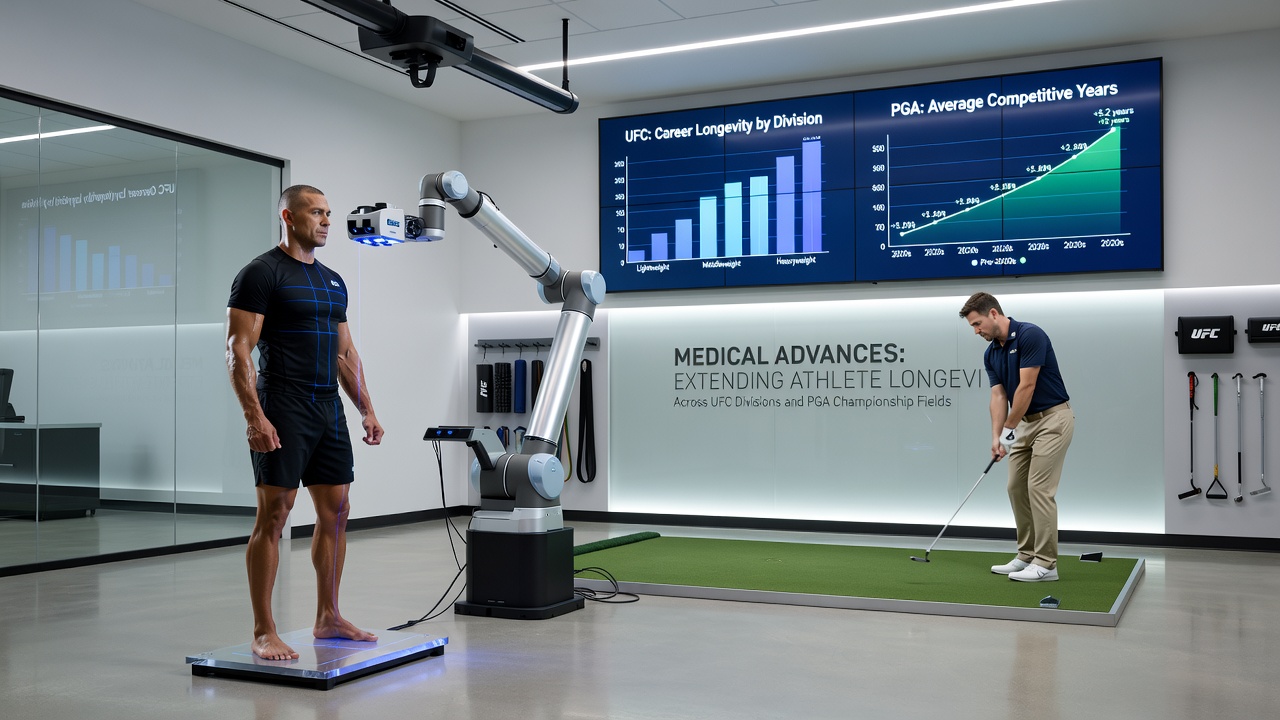
Cardiovascular assessments integrated with wearable sensors allow golfers to sustain energy levels during multi-round events, while anti-inflammatory regimens derived from genomic data minimize flare-ups during peak seasons. Those following programs aligned with guidelines from international sports medicine federations demonstrate sustained performance metrics, with records indicating fewer withdrawals from majors due to acute back or knee episodes.
Shared Methodologies Across Disciplines
Both UFC divisions and PGA fields benefit from overlapping tools such as cryotherapy chambers and electrical stimulation devices that enhance circulation post-training, with practitioners adapting protocols based on sport-specific impact patterns. Data from collaborative studies between North American and Asian research groups shows these modalities contributing to fewer missed events overall, as athletes integrate them into weekly routines rather than reactive care. Artificial intelligence models analyzing movement data further predict injury risks, enabling preemptive interventions that extend participation windows for veterans in both arenas.
September 2026 schedules for championship events underscore ongoing reliance on these advances, as governing bodies incorporate updated health screening requirements that emphasize early detection through portable diagnostic units. Training facilities now routinely employ virtual reality simulations to rehearse recovery movements, reducing reinjury likelihood during return phases.
Future Integration of Emerging Tools
Genetic profiling and targeted pharmacogenomics represent expanding areas where personalized medication responses shorten downtime from inflammation or muscle tears, according to reports from global health oversight panels. Athletes in mixed martial arts and professional golf increasingly access these through multidisciplinary teams that combine surgeons, physiologists, and data analysts. Longitudinal records maintained by professional associations track how such combinations influence retirement ages, revealing steady upward trends in active spans since the early 2010s.
Conclusion
Medical advances continue to support longer careers for participants across UFC divisions and PGA Championship fields through targeted regeneration, monitoring, and prevention strategies. Evidence from varied international sources confirms measurable impacts on recovery efficiency and sustained performance, positioning these fields for continued evolution in athlete care frameworks.